

5 Limitations of E-commerce
16/08/2021 12:04
With the rapid development in recent years, the limitations of e-commerce are inevitable. These are the shortcomings and obstacles hindering the development of the e-commerce industry. This is understandable as their rapid emergence and development always come with risks due to weak market factors and technological capabilities.
Limitations of E-commerce
E-commerce is increasingly dominating the retail industry due to the convenience and modernity of online shopping tools. The growth rate of e-commerce increases by 25% to 30% each year, and these numbers are predicted to go even further. However, to achieve that expectation, the limitations of e-commerce need to be addressed and modified in the future.
Here are some limitations of e-commerce:
User Experience
Some e-commerce websites on the market today frequently encounter technical issues and low-quality hosting, affecting customer experience. If a website has errors, customers cannot make purchases, so e-commerce businesses need to invest in designing and developing a professional website with the best security system, continuously maintaining and upgrading sales software.

Product Quality
The diversity of goods in e-commerce offers buyers more choices, but quality is not always verified or guaranteed, and customer service can be unprofessional. The ease of doing business online without licenses or quality inspections leads to some e-commerce products and goods being of poor quality or not as good as advertised.
High Level of Competition
Due to the advantages of a vast market, competition is also extremely fierce. To thrive in the e-commerce industry, your products must be outstanding, optimized in both price and quality. Operating in the same market forces every individual or business to constantly innovate and develop, regularly updating with the latest trends to meet customer needs.
Customer Trust
Although e-commerce is very attractive and growing rapidly, traditional commerce still dominates the proportion of retail revenue nationwide because many customers do not yet trust the e-commerce buying and selling model.
That is why businesses still maintain both online and offline business models to best serve customer needs. E-commerce has advantages in product data systems and modern customer care processes. In fact, many customers choose to browse goods on a website and then visit a store to see them in person and decide to buy the product, or vice versa.
Information Security
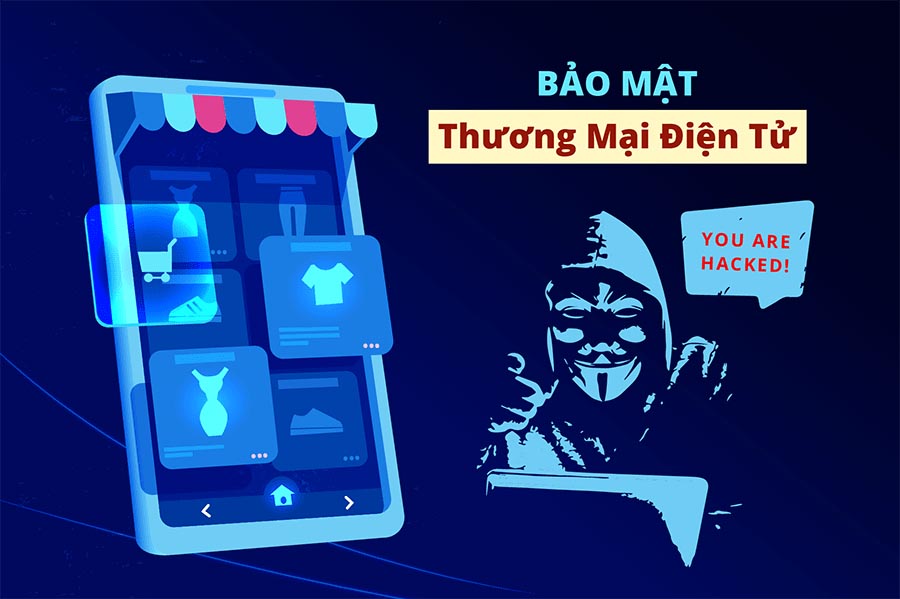
E-commerce can experience information leaks for businesses and customers due to sophisticated hacker intrusions. Therefore, businesses need to be proactive and highly vigilant in protecting and securing their information. Consumers also need to be cautious of scams if their personal information is unfortunately exposed.
Other Limitations
Because this is one of the nascent industries in the economy, the legal framework is still loose, and the issue of e-commerce tax collection still faces many difficulties that cannot be controlled due to the complex nature of technology.
The complete shift in people's shopping habits from offline to online requires a lot of time and also the internal development of e-commerce. When e-commerce becomes more complete in terms of technological infrastructure, technical capabilities, and management capacity, providing the most comprehensive and high-quality service experience, customers will automatically have more trust when shopping online.
Above were the current limitations of e-commerce. We hope that the insights from ECOMCX will help you better understand the field of e-commerce and find the best e-commerce development solutions for your business.