
6 important channels in digital marketing
13/10/2021 19:01
Setting up and operating an online store is only half the battle when it comes to e-commerce success. You need to outline a digital marketing strategy for the website to increase traffic, ultimately leading to sales and revenue.
This is where digital marketing needs to come into play. Digital marketing is a great way to create buzz for your brand and products in today's 4.0 technology era.
Digital marketing is an extremely powerful tool for e-commerce brands if they know how to approach it strategically. Instead of spreading investments across many channels at once, you should focus on a purposeful channel. Consider and set your business goals, budget, and target audience. From there, monitor how you can use digital marketing to effectively drive online business.
What is Digital Marketing?
Digital marketing is the activity of promoting brands, products, and services through paid or unpaid advertising efforts on online platforms. Digital marketing includes quite a few activities to promote the growth of your brand and e-commerce business.
It's not necessarily your brand that delivers the message. Many brands today have adopted methods to encourage customers to discuss and provide feedback on their products. For example, when customers post good reviews about your products or services, that is also a smart form of digital marketing.
Currently, the most common marketing goals for businesses include: Increasing brand awareness, sales, engagement, attracting potential customers, and generating revenue. And these goals can all be achieved through strategic digital marketing solutions.
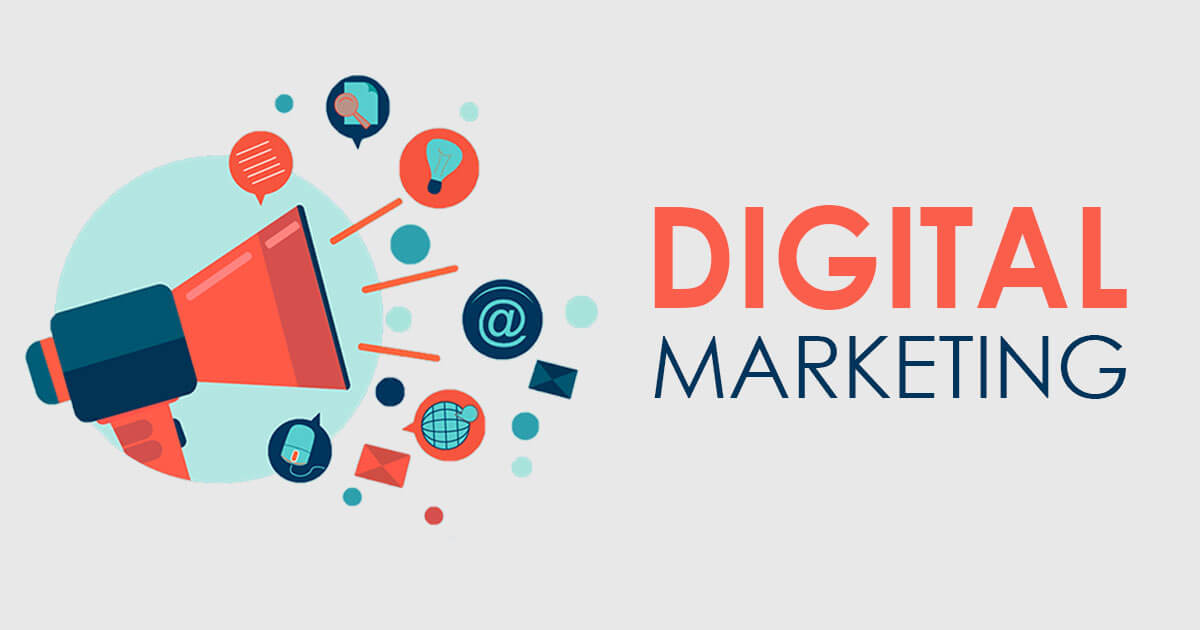
Setting a Digital Marketing Strategy
A comprehensive digital marketing strategy will include many channels such as: Facebook, Instagram, email, SEO.... The choice of active channels for your brand largely depends on where your audience is interested in using, what your investment budget is, and what your business goals are.
Here are the 6 most popular and effective digital marketing channels to help you boost your online business.
Social Media Marketing
Social media marketing has a great advantage in its ability to interact with existing customers and build relationships with new ones. Some of the largest major social media platforms you might be interested in today include:
- Facebook with 2.3 billion monthly active users
- Instagram with 1 billion monthly active users
- Twitter has 206 million daily "monetizable" active users
- Snapchat with a total of 530 million active users
- Pinterest, reaching 454 million monthly active users
- Tiktok, currently one of the fastest-growing social networks, with 205 million downloads.
For media marketing activities, you can create organic social posts on these platforms. Unpaid social media posts are updates you post to your brand's page without any paid advertising.
Typically, businesses combine promotional and engaging posts with unpaid posts, focusing on attractive content to build credibility with customers. A brand page with too many promotional posts can easily lead to unfollows due to a lack of focus on building engaging content for followers beyond business and sales.
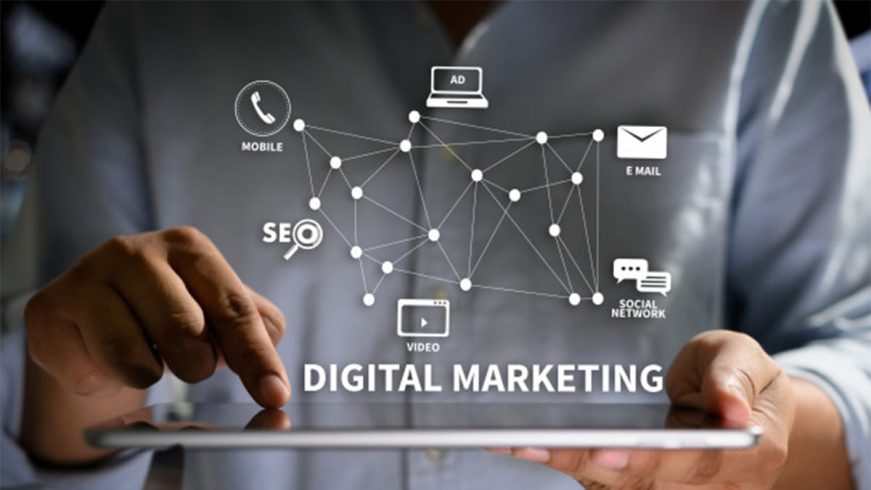
Promotional Email (Email)
Email is a prominent and reputable digital communication tool used by everyone, especially between businesses.
You can use email to send a mix of promotional and non-sales content - useful product newsletters, exclusive discounts to attract customer attention.
Use the email marketing section to build customer profiles and segment customer lists with appropriate email campaigns.
Search Engine Marketing and Optimization (SEM and SEO)
Search engine marketing and search engine optimization refer to activities aimed at increasing the visibility and discoverability of your website through online search engine platforms. SEM specifically refers to paid tactics, while SEO refers to unpaid or organic efforts.
A report estimates that online businesses will earn 35% of total traffic and 33% of revenue from search engine results pages. Although there are many search engines online, Google still dominates to this day, and therefore, this search engine is the most prioritized by businesses.
According to SEM, you can run pay-per-click (PPC) display ads through the Google Ads dashboard, targeting specific keywords for queries in your chosen locations. Your budget may vary depending on your goals and keyword competition.
Content Marketing
Content marketing is when businesses create and curate content to promote their business. For many, content marketing takes the form of a blog. In fact, more than half of marketers use blogs in their digital marketing mix. Effective content builds relationships with new and existing customers, raises awareness of your brand and products, drives SEO, and establishes authority in your chosen niche.
Marketing Automation
Marketing automation is when you use technology to create a set of rules that trigger automated actions from your marketing platform. Marketing automation can be limited to a single platform in your technology stack or involve a combination of tools through integration.
One example of marketing automation that most e-commerce brands can leverage is post-purchase automation. Depending on your product and the purchase, you can use post-purchase communication as a way to nurture customer relationships