

Business lessons during and after the Covid-19 pandemic
11/10/2021 20:27
Amidst the complex context of the COVID-19 pandemic, what many people are interested in are the **business lessons** learned to adapt to the global "new normal".
These lessons also depend on the actual operations of each business. However, here are some general lessons for businesses to adapt and maintain stable operations in the new economic landscape.
1. General situation of businesses when the pandemic appeared
The unpredicted appearance of the **COVID-19 pandemic** left millions of businesses stunned by this global crisis. Most businesses were unprepared for this unbelievable situation.
At this time, some businesses quickly went bankrupt, while others managed to survive for a while before also declaring bankruptcy due to lack of budget to maintain their cumbersome operations. In addition, there were businesses that were temporarily stable but also in an uncertain state, and businesses operating in essential sectors still maintained normal growth levels.
It can be said that the COVID-19 pandemic created an unprecedented shake-up in the global economy. However, there are also positive developments predicted for dynamic businesses that quickly adapt to the new context.
Businesses have made spectacular transformations, changing and learning from each other to overcome difficulties. They took time to reshape their businesses and redefine the market. In other words, timely businesses found new inspiration in their work, tools, and most effective working methods.
Changes in operations and organizational structure helped them reduce many costs, concentrate more resources, and create more optimal work efficiency. These are not just temporary solutions but will have a long-term impact on the future development of businesses.

2. Business lessons during and after the pandemic
The following are **business lessons** drawn from the analysis and synthesis of studies by economic and financial experts and typical businesses, which we have compiled as follows:
2.1. Remote operations
Maximize remote work capabilities for office staff to ensure the safety of company personnel. To encourage employees to work remotely effectively without requiring extensive supervisory staff, set clear work targets so employees can motivate themselves to be responsible for their tasks.
Currently, with the development of software technology, there are many ways to help businesses work and communicate remotely, without affecting work efficiency.
In addition, training employees in IT skills and remote work skills also greatly affects this process. A survey of CFOs worldwide on the impact of the pandemic revealed that nearly half (45%) expected a loss of productivity because their teams lacked remote work capabilities.
2.2. Ensuring safety measures
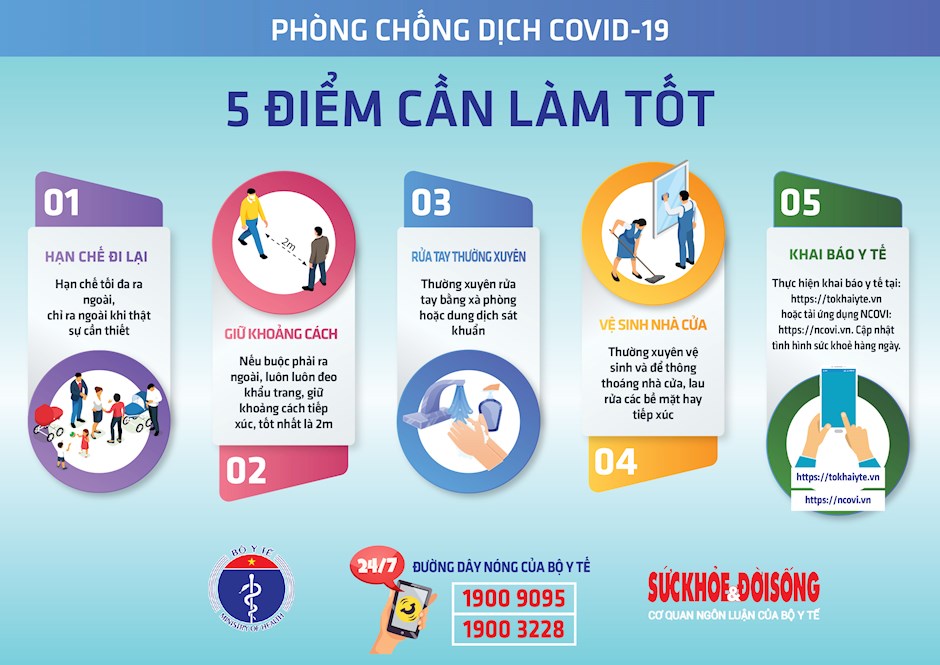
Comply with government directives and policies in disease prevention and control so that your business does not become a direct victim of them.
In addition to maximizing the protection of employees from the health consequences of the pandemic, it is also a measure to protect key personnel, ensuring stable operations for the business during and after the pandemic.
2.3. Accelerating new working methods
Businesses stated that the important lesson they learned to make the most correct decisions was the change in working methods. Businesses were forced to redefine the market, adapt to changes in cash flow, and find new directions to stabilize cash flow as follows:
- Provide new products to meet market demands such as: Medical equipment, food, health, beauty products... Of course, this depends on whether it suits the specific nature of the business.
- Change marketing strategies, strengthen customer purchasing intent through attractive discount and promotional policies to help businesses recover.
- Expand markets and customer segments. Many B2B businesses have begun to strongly shift towards B2C to be more proactive in product distribution. To achieve this, the best way is to heavily invest in an **e-commerce website** to build credibility and brand for the business.
- Explore alternative distribution strategies. For example, shifting from direct sales to online sales.
- Improve products, provide high-quality services through talent recruitment, innovation, and enhancing internal business skills.

Also, due to the impact of the COVID-19 pandemic, businesses have focused more on investing in digital transformation to reduce personnel, restructure organizations, optimize productivity, and enhance their management capabilities.
These recent **business lessons** have once again affirmed the power of digital transformation tools in today's digital economy.
If you are still wondering about solutions for your business to cope with the fluctuations of the new pandemic context, please contact **ECOMCX** for consultation and to receive the most suitable and optimal solutions from our team of leading experts in business administration and marketing.